Posted by Erin Roddy
on September 24, 2026


A show, trail ride, clinic, sale, or long-haul move can be exciting. It can also ask a lot of your horse.
Travel may bring rapid changes in forage, water, weather, exercise, turnout, and routine. For some horses, those changes can contribute to digestive disruption and raise concern about colic.
To limit the chance of colic, the goal is to keep as much of your horse's normal routine in place as possible, reduce avoidable disruptions, and notice early changes quickly.
Suspect colic? Call your veterinarian. Do not wait for the horse to begin rolling or for the signs to become severe. An owner cannot reliably determine the cause or seriousness of abdominal pain from behavior alone. For a deeper explanation of colic causes, diagnosis, treatment, surgery and recovery, read our complete guide to colic in horses.
Travel and competition at a glance
- Travel can alter forage intake, water intake, movement, temperature exposure and routine.
- Keep feed, forage and feeding times as familiar as possible before, during and after the trip.
- Plan water, ventilation, safe rest stops and monitoring before you leave.
- Monitor appetite, drinking, manure, temperature and comfort closely after arrival.
- Call your veterinarian immediately if your horse seems painful, dull, will not eat or drink normally, has diarrhea, has a fever, or produces less manure.
- Stress Paste may provide additional short-term nutritional support, but it does not treat or prevent colic.
Why travel can challenge the digestive system
Horses are built for steady movement, regular access to forage, and familiar routines. A trip can interrupt all three. Even a well-planned journey may involve:
- Standing in a trailer for long periods
- Eating and drinking less
- Warmer conditions
- Unfamiliar water
- Less turnout after arrival
Research has shown that road transport can temporarily slow gut movement, particularly during longer trips and hot conditions.5 That does not mean every hauled horse is going to colic. It does mean that travel deserves the same thoughtful planning you would give a feed change or a major training event.
Some of the biggest travel risks are easy to miss because they are not dramatic:
- Horse refusing unfamiliar water
- Long gap without forage
- Sudden switch in hay
- Poor airflow on a hot day
- Busy show schedule that makes normal monitoring easy to miss
Start the plan before departure
The best time to protect your horse's routine is before the trailer is loaded. Begin preparing several days ahead when you can, especially for a long trip, a multi-day show, or a new destination.
Keep feed familiar
Avoid introducing a new concentrate, hay, or changing the feeding schedule immediately before travel.
Studies have linked recent changes in hay batches, pasture access, and concentrate feeding with higher odds of colic.3 A broader review also identifies changes in feed, pasture, water, housing, and exercise as important colic-risk areas.1
- Pack enough of your horse's usual forage for the journey and the first part of the stay whenever practical. A change in hay can still be significant, even when it is the same type of hay.
- If a change is unavoidable, make it gradually (over 14 days) well before departure.
Confirm the baseline
The day before you leave, take a minute to note what is normal for your horse.
- Is the horse eating, drinking, and passing manure as usual?
- Are they bright and comfortable?
For horses that travel often or have a history of digestive problems, it can be helpful to record a normal resting temperature, pulse, and respiratory rate when the horse is well. These notes give you something useful to compare after the trip.
Plan for water
Some horses drink less from unfamiliar buckets or water sources.
- Bring clean buckets from home and, where feasible, enough familiar water to bridge the first part of the journey or arrival.
- Offer water regularly according to the trip length, weather, and advice from your veterinarian or professional transporter.
- Make sure you have a way to refill safely on the road.
Check the practical details
- Confirm the trailer is safe, well ventilated, and appropriate for the weather.
- Plan the route, rest stops, and safe places to check the horse.
- Know where to find veterinary services near the destination.
- Carry your veterinarian's number, the horse's health records, and a basic travel first-aid kit.
- Discuss the plan with your veterinarian if your horse has had colic, abdominal surgery, repeated digestive upset, or a current health concern.
During the journey: protect the basics
On the road, the goal is not to create a perfect routine. It is to make the journey as steady, safe, and comfortable as possible.
Maintain suitable forage access
Forage helps support normal feeding behavior and saliva production.
- Avoid unnecessary, prolonged gaps without forage, while following the individual plan recommended by your veterinarian or transporter.
- Use a safe hay net or feeder that fits the trailer setup and your horse's needs.
- Do not make a last-minute change to a new hay or other feed because it seems convenient for travel.
Studies have not identified one ideal feeding plan for every horse before travel. Long journeys can affect the stomach, and the timing of a horse's last meal may matter.2,4
Keep your horse's usual feeding routine as familiar as possible, avoid last-minute changes, and follow the plan recommended by your veterinarian or transporter.
Manage heat and airflow
Heat can increase fluid loss and make transport harder on the horse.
- Use good ventilation, plan travel around the coolest practical part of the day when conditions call for it and avoid leaving a horse standing in a hot trailer.
- Check the horse safely during scheduled stops. Look for excessive sweating, dullness, rapid breathing, or behavior that is out of character.
Watch without over-handling
Monitor the horse when it is safe to do so.
- A horse trailer remote camera system can help you monitor animals during travel.
- Look for changes such as refusing hay or water, unusual quietness, repeated pawing, flank watching, sweating, or signs of discomfort.
- Do not climb into a trailer with a distressed horse or put yourself at risk.
- If something seems wrong, stop safely and call for professional advice.
For longer trips, rest arrangements should be planned around the individual horse, journey conditions, and local regulations. Discuss overnight stops, unloading, watering, feeding, and monitoring with the transporter in advance.
Competition adds extra pressure points
A competition weekend is more than a trailer ride. The horse may be:
- In a new stall
- Working harder than usual
- Exposed to noise and activity
- Following a different feeding or turnout schedule
These factors can add up, especially in horses that are sensitive to routine changes. Build quiet checkpoints into the day:
- Offer familiar forage and water
- Check the stall and buckets
- Monitor manure output, appetite, and attitude
A horse that is normally eager to eat but leaves a meal should not be dismissed as simply "showing nerves." It may be nothing serious, but it is useful information.
The first 24 hours after arrival matter
Many horses look settled once they are unloaded, but the period after travel is still important. Offer water and the horse's familiar forage as planned, then give them time to rest in a safe environment. Re-establish normal feeding, turnout, and exercise as soon as practical rather than making several more changes at once.
Pay close attention through the first evening and following morning. Check that the horse is eating, drinking, passing manure, and acting normally. Where it is safe and appropriate, monitor temperature as well.
Travel can also be associated with respiratory illness, so fever, nasal discharge, cough, or unusual dullness deserve attention along with digestive signs.
Call your veterinarian promptly if the horse is dull, will not eat or drink normally, produces less manure, has diarrhea, seems painful, or has a fever or respiratory signs.
Where does Stress Paste fit?
Good travel management comes first. Familiar forage, water access, ventilation, safe transport, and close observation are the foundation of a travel plan.
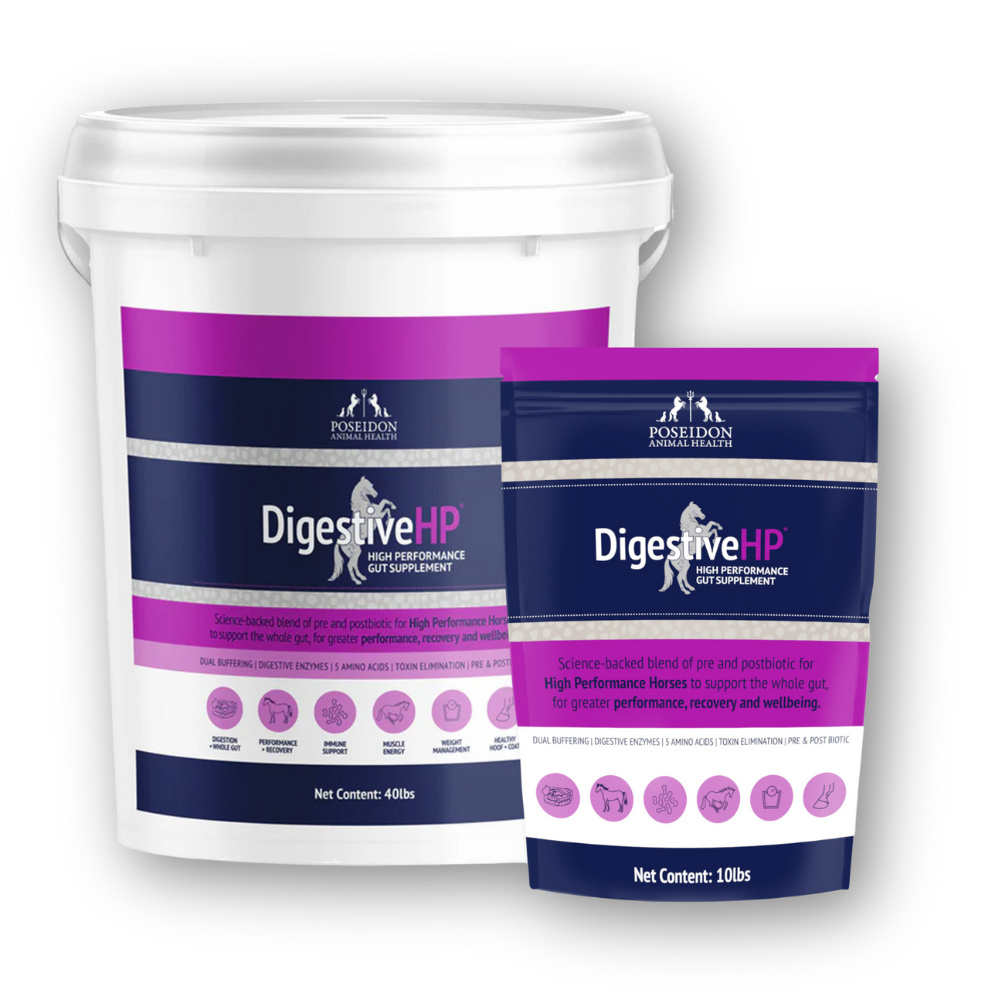
A short-term nutritional support product such as Stress Paste may be considered before and during travel or other predictable periods of short-term stress.
Stress Paste may provide short-term digestive support before travel, when changes in routine, feeding, and water intake can challenge the gut. Its buffering and gut-support ingredients may help support normal stomach comfort and a stable hindgut environment. Use it alongside familiar forage, access to water, good airflow, and close monitoring.

Extra support for the road.
Stress Paste is designed for predictable periods of short-term stress like travel and competition. It does not treat or prevent colic and is not a substitute for good travel management or veterinary care.
Shop Stress PasteA simple travel colic-reduction checklist
- Keep forage, feed, and feeding times as familiar as possible.
- Do not introduce a new feed or hay immediately before the trip.
- Pack familiar forage, clean buckets, and familiar water when practical.
- Plan ventilation, weather management, safe rest stops, and monitoring.
- Know the horse's normal appetite, drinking, manure, and behavior before leaving.
- Check appetite, water intake, manure, temperature, and comfort after arrival.
- Have local veterinary contact details ready before you need them.
- Call your veterinarian early if anything is not right.
The key message
Frequently asked questions
Does travel increase the risk of colic?
Travel can disrupt a horse's normal routine and may temporarily slow gut movement, especially on longer or hot journeys. Careful planning and close monitoring can help reduce avoidable disruption.
Should a horse have access to forage while traveling?
Avoid unnecessary, prolonged gaps without forage while following the individual plan recommended by your veterinarian or professional transporter. Use a safe hay net or feeder suited to the trailer and horse.
What should I monitor after arrival?
Check appetite, water intake, manure, temperature and comfort. Call your veterinarian promptly if the horse seems painful, dull, will not eat or drink normally, has diarrhea, has a fever or produces less manure.
When should I call the veterinarian?
Call early if anything is not right. Serious colic can begin with mild signs, and recent travel is useful information to share with your veterinarian.
References
- Curtis L, Burford JH, Thomas JSM, et al. Risk factors for acute abdominal pain (colic) in the adult horse: a scoping review of risk factors and a systematic review of the effect of management-related changes. PLOS ONE. 2019;14(7):e0219307. doi.org
- Gharehaghajlou Y, Raidal SL, Freccero F, Padalino B. Effects of transport and feeding strategies before transportation on redox homeostasis and gastric ulceration in horses. Journal of Equine Veterinary Science. 2023;126:104268. doi.org
- Hudson JM, Cohen ND, Gibbs PG, Thompson JA. Feeding practices associated with colic in horses. Journal of the American Veterinary Medical Association. 2001;219(10):1419-1425.
- Padalino B, Davis GL, Raidal SL. Effects of transportation on gastric pH and gastric ulceration in mares. Journal of Veterinary Internal Medicine. 2020;34:922-932. doi.org
- Raidal SL, Freccero F, Carstens A, Weaver S, Padalino B. Road transportation is associated with decreased intestinal motility in horses. Frontiers in Veterinary Science. 2025;12:1647236. doi.org
This article is educational and does not replace advice from the veterinarian responsible for an individual horse.