Posted by Erin Roddy
on September 24, 2026


Evidence-informed feeding guidance for horse owners.
Important. Colic means abdominal pain; it is not a single disease. If your horse shows signs of colic, contact your veterinarian promptly. Remove feed while you wait, allow access to water unless your veterinarian advises otherwise, and do not force-feed, syringe a paste, give medication or attempt to tube the horse unless your veterinarian specifically directs you. For the full step-by-step guide, read Horse Colic: What to Do While You Wait for the Vet.
Quick recap
- Base the ration on forage and provide at least 1.5% of bodyweight per day as forage dry matter; 2% is often recommended when appropriate for the individual horse.
- Avoid long gaps without forage. If intake must be restricted for weight or metabolic reasons, use a veterinarian or qualified equine nutritionist to design the ration.
- Use grain or other high-starch concentrate only when needed and divide the required amount into small meals.
- Make changes to hay, pasture, concentrate, feeding times and housing gradually over 14 days whenever possible.
- Provide constant access to clean, palatable water and monitor drinking, especially during travel, hot weather, cold snaps and changes of water source.
- Encourage safe turnout and regular movement, while managing pasture carefully for horses at risk of obesity, insulin dysregulation or laminitis.
- Reduce sand intake by feeding from clean raised surfaces or mats and providing enough forage when pasture is sparse.
- Treat supplements as optional support for normal digestive function.
What is colic?
Colic is the general term for abdominal pain in horses.
The cause may involve the stomach, small intestine or large intestine, and pain can occasionally arise from structures outside the gastrointestinal tract. Some cases are mild and resolve with treatment; others require urgent referral and surgery.
Because the early signs of colic can look similar, owners should not try to diagnose the cause from behavior alone. For a full breakdown of signs, types and treatment, see our complete guide to colic in horses.
Diet and management are only part of the picture. Age, previous colic, dental disease, parasites, crib-biting, changes in exercise or housing and some medical conditions may also alter risk.
A previous episode of colic is a reason to work with the veterinarian on an individual prevention plan.
What does the evidence say about feeding risk?
Research shows that a horse's risk of colic may increase when they are fed large amounts of concentrate, when their feed changes suddenly, or when they move to a different barn or pasture.
Read with caution
The studies varied in quality, and many are now quite old. Figures such as "five times the risk" should therefore be viewed as general warnings and not predictions for an individual horse.
The practical takeaway is simple: make feed and management changes gradually and avoid feeding large concentrate meals.
1. Start with enough forage
Forage supports normal chewing, saliva production, gastrointestinal fill and hindgut fermentation.
Current guidance recommends that most healthy adult horses receive at least 1.5% of their bodyweight in forage dry matter (DM) each day, with many consuming closer to 2%. For a 1,100 lb horse, this equals 16.5–22 lb of actual dry plant material.
Because forage naturally contains water, the amount fed or consumed will be higher when weighed "as fed." For example:
- Dry hay at 85% dry matter: approximately 19–26 lb per day
- Baleage or haylage at 60% dry matter: approximately 28–37 lb per day
- Fresh pasture at 20% dry matter: approximately 83–110 lb consumed per day
These figures are estimates because the water content of hay, haylage and pasture can vary. Forage analysis provides the most accurate dry-matter value.
Where possible, spread forage across the day and avoid routine gaps of more than about four to five hours.
Horses that gain weight easily still need plenty of fiber and time to eat forage. Their weight can be managed safely with:
- Tested lower-calorie forage
- Slow feeders
- Balanced weight-loss diet designed by an equine nutritionist
Avoid severely restricting forage without professional guidance.
Chewing forage produces saliva, which helps buffer stomach acid. Long-stem forage may also form a fiber layer that helps protect the sensitive upper part of the stomach. However, forage is not a treatment for glandular stomach disease and cannot be relied on to prevent the intestines from twisting.
2. Keep concentrate and starch intake as low as practical
Studies suggest that horses fed larger amounts of concentrate, such as grain or other concentrate feed, may have a higher risk of colic.
Some studies found increased risk above 5.5 lb per day, but this is not a safe limit for every horse. The right amount depends on the horse, the feed, and its management.
Where possible, meet the horse's energy needs with forage and high-fiber feeds first, then add only as much concentrate as needed.
For horses at risk of squamous gastric ulcers, it is recommended to base the diet on forage and high-fiber feeds rather than concentrate meals — such as grain, pellets, or other concentrate feeds.
Starch levels vary widely between feeds, so there is no single weight limit that is suitable for every product. Follow the manufacturer's feeding directions and ask your veterinarian or equine nutrition professional for advice if needed. These feeding practices may support stomach health, but they cannot guarantee that a horse will avoid gastric ulcers or colic.
If concentrate is needed, divide it into smaller, more frequent meals rather than limiting the horse to two large feeds. Beet pulp, soy hulls, stabilized rice bran and appropriately introduced vegetable oil can provide alternatives to some cereal starch, but the whole ration still needs to be balanced for energy, protein, minerals and the horse's health status.
Processing grains such as barley and corn can make their starch easier to digest before it reaches the hindgut. Oats are usually more easily digested than unprocessed barley or corn. However, processing does not make large grain meals safe. Keep meals small and consider the total starch, type of grain, and the individual horse.
3. Change feeds and management gradually
Recent change is one of the most consistent modifiable risk factors for colic.
Introduce a new hay, pasture, concentrate or supplement gradually over 14 days whenever circumstances allow. This helps the hindgut microbial community and the horse's intake pattern adapt to a different substrate.
Forage changes matter just as much as concentrate changes.
- Blend old and new hay across the transition
- Introduce new pasture in controlled increments
- Avoid changing feed, housing and exercise all at once
When an abrupt change is unavoidable, monitor appetite, water intake, manure and comfort closely.
4. Make water easy to drink
Provide clean, fresh and palatable water at all times. Limited water access or reduced water intake has been linked to an increased risk of colic.
A horse's water needs may increase with:
- Dry forage
- Exercise
- Lactation
- Warm weather
Cold weather can also cause some horses to drink less. Check troughs and other water sources daily to ensure they are clean and working properly. When traveling, offer familiar water whenever practical, and investigate any sudden change in your horse's drinking habits.
If well water or other unfamiliar water tastes salty or unpalatable, have it tested and discuss the results with your veterinarian or equine nutrition professional. Water quality cannot be judged by appearance alone.
5. Manage pasture access carefully
Pasture turnout can provide several benefits, including:
- Natural grazing behavior
- Gentle movement
- Social contact with other horses
Regular turnout may also help reduce colic risk. However, unlimited pasture is not suitable for every horse.
Horses that are overweight or at risk of insulin dysregulation or laminitis may need:
- Controlled grazing time
- A grazing muzzle
- Tested, lower-sugar forage
- An individual management plan from a veterinarian or equine nutrition professional
The sugar and starch content of pasture changes with the plant species, growth stage, weather and time of day. Introduce horses to lush pasture gradually, particularly after they have had limited access.
Seasonal pasture changes may affect some horses, but spring or fall fructans alone have not been proven to cause colic under normal grazing conditions.
6. Prioritize clean feed, good chewing and a consistent routine
Good feed hygiene and regular feeding routines can help support healthy digestion.
To keep feed safe:
- Do not feed hay, baleage (wrapped hay) or haylage, grain or supplements that are moldy, unusually hot, unexpectedly wet, very dusty, contaminated or foul-smelling.
- Store feed in a clean, dry place protected from moisture, pests and contamination.
- Weigh feeds instead of relying on scoops, as different feeds can vary considerably in weight.
- Keep feeding times and meal sizes as consistent as possible.
Good chewing is also important. Arrange regular dental examinations to identify painful teeth or difficulty chewing. Horses with dental problems or a history of impaction may struggle with coarse forage and may need chopped, soaked or complete forage-replacement feeds. Ask your veterinarian or equine nutrition professional to help select a suitable option.
Parasite control should be based on fecal egg counts — tests that measure worm eggs in manure — and veterinary advice. Avoid deworming every horse on a fixed calendar without considering test results and individual risk.
7. Reduce sand ingestion
Horses may swallow sand when grazing short pasture or eating directly from sandy ground. Over time, sand can irritate or block the intestine, potentially causing diarrhea, weight loss or colic.
To reduce sand intake:
- Feed hay and commercial concentrate from clean feeders, tubs or large rubber mats.
- Provide enough forage when pasture is short or sparse.
- Avoid feeding directly from bare or sandy ground.
- Limit access to areas where the soil is heavily disturbed or contaminated.
At-home manure tests can sometimes reveal sand, but they cannot reliably show how much has collected in the intestine.
If you suspect sand accumulation — particularly if your horse has ongoing diarrhea, weight loss or signs of colic — contact your veterinarian. Further examination and imaging may be required.
Evidence for routine psyllium treatment at home is mixed. Significant sand accumulation may require veterinary treatment using psyllium alongside other therapies. Follow your veterinarian's recommended protocol rather than relying on hay or a routine supplement to remove accumulated sand.
Where do gastric ulcers fit?
Not all gastric ulcers are the same. Horses can develop ulcers in two different areas of the stomach:
Equine squamous gastric disease (ESGD)
Affects the sensitive upper part of the stomach. Regular forage access and smaller, lower-starch commercial concentrate meals may help reduce the risk.
Equine glandular gastric disease (EGGD)
Affects the lower part of the stomach. It has different risk factors and may require a different management and treatment approach.
Some horses with gastric ulcers may have a reduced appetite, poor performance or discomfort around feeding. However, many show no obvious signs. These signs can also be caused by other health problems, and a horse showing signs of colic will not necessarily have gastric ulcers.
Gastroscopy is the most reliable way to diagnose gastric ulcers and identify which part of the stomach is affected. If you suspect gastric ulcers, speak with your veterinarian about appropriate testing, treatment and management.
Where does DigestiveHP and Stress Paste fit?
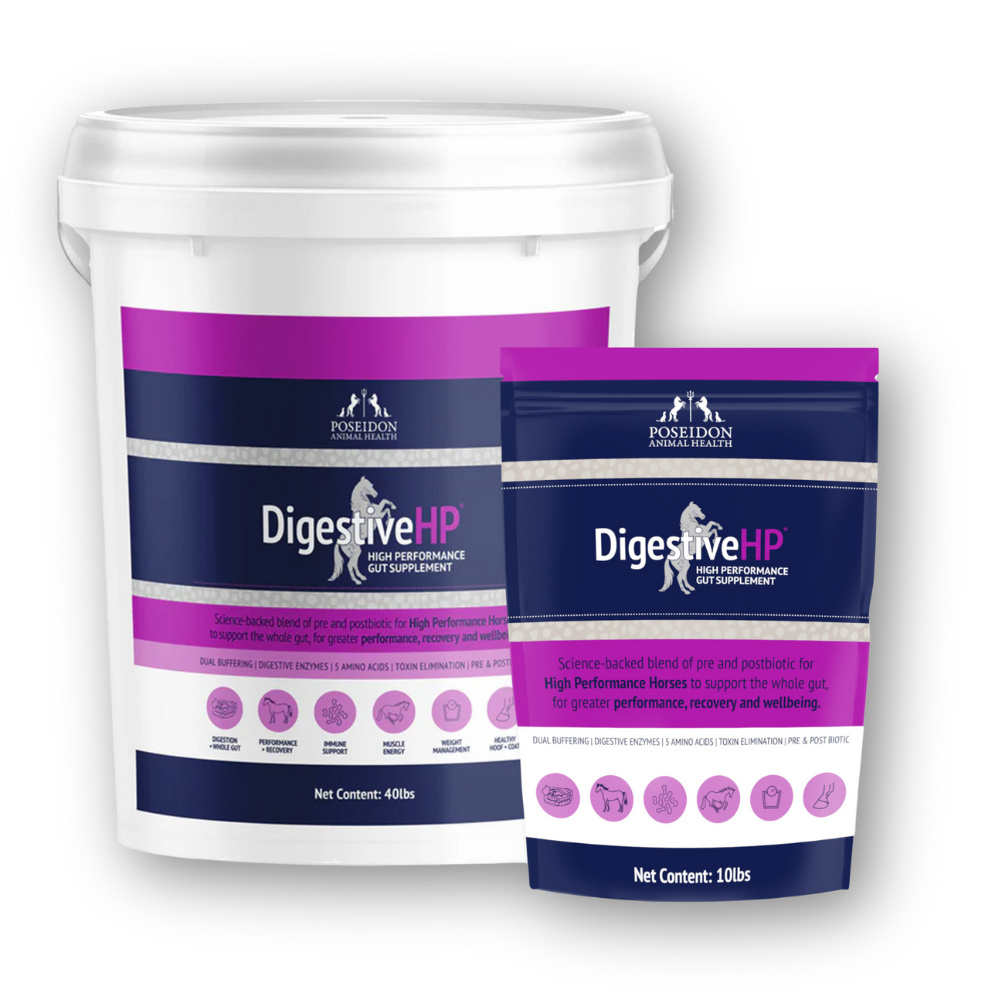
DigestiveHP contains a blend of ingredients selected to support normal digestion and a healthy gut environment:
- Seaweed derived calcium, magnesium and alfalfa provide natural buffering ingredients that help support a healthy digestive environment.
- Saccharomyces cerevisiae fermentation products (Yeast Culture) support the beneficial microbes involved in hindgut fermentation and fiber digestion.
- Digestive enzymes help the horse break down carbohydrates and make use of nutrients in the diet.
- Amino acids, including glutamine, threonine, proline and serine, provide building blocks used by the body to maintain the protective lining and mucus layer of the digestive tract.
- DigestiveHP also contains a mycotoxin binder, designed to bind certain unwanted compounds that may occur in feed, and a source of vitamin C for antioxidant support.
Stress Paste is designed to support good gut health during short-term periods of stress, such as traveling, competition or a change in routine.
Research into the individual ingredients provides a scientific basis for their inclusion. However, these products should be used to complement good feeding and management. Adequate forage, constant access to water, small concentrate meals and gradual changes remain the foundations of digestive health. These supplements support normal digestive function but are not treatments for colic or gastric ulcers.
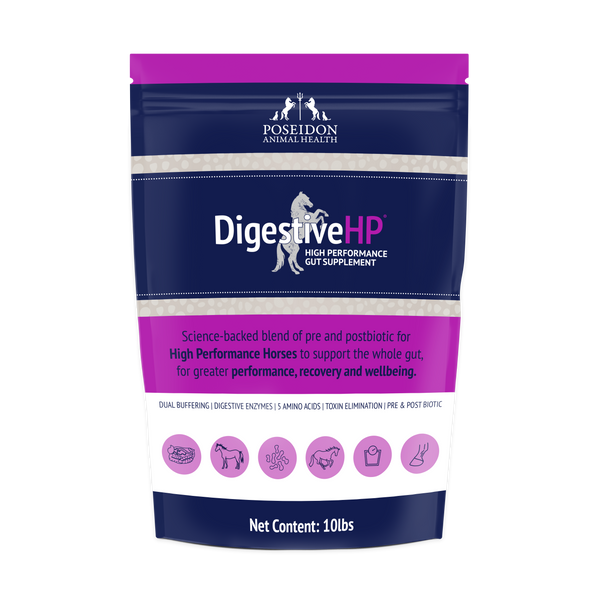
Support the foundations, then add DigestiveHP
DigestiveHP is formulated to complement — not replace — good forage, water and feeding management. It does not treat or prevent colic and is not a substitute for veterinary care.
Shop DigestiveHPTake-home messages
- No feeding program can prevent every colic, but consistent management can reduce avoidable risk.
- Feed a forage-first ration, measured on a dry-matter basis, and avoid prolonged gaps without forage.
- Keep concentrate and starch as low as practical; if needed, feed small meals and consider fiber- and fat-based energy sources.
- Change hay, pasture, concentrates, supplements, housing and workload gradually.
- Maintain water access, feed hygiene, dental care, parasite control, turnout and movement.
- Prevent sand intake rather than relying on an unverified clearance routine.
- Use supplements only as adjuncts to sound nutrition and veterinary care.
- Treat any suspected colic as a prompt veterinary call — see what to do while you wait for the vet.
Frequently asked questions
Can feeding prevent colic?
No. Colic has many causes, and no ration or supplement can prevent every episode. Consistent feeding and management can reduce recognized risks, particularly those linked with high concentrate intake, abrupt feed or housing changes, inadequate water intake, poor-quality feed and sand ingestion.
How much forage should a horse receive each day?
Most healthy adult horses should receive at least 1.5% of their body weight in DM each day, with around 2% commonly fed. For a 1,100 lb horse, this equals 16.5–22 lb of DM. Because forage contains water, the amount weighed out will be higher — for dry hay, approximately 19–26 lb per day. Horses requiring weight or metabolic management still need adequate fiber. Ask your veterinarian or equine nutritionist for advice.
How long can a horse safely go without forage?
Where possible, avoid leaving your horse without forage for more than four to five hours. Regular forage encourages chewing and saliva production, supporting stomach health and natural feeding behavior. Slow feeders and lower-energy forage can help extend eating time while managing calorie intake.
Is grain bad for horses, and how should concentrate meals be managed?
Grain is not automatically harmful, but high concentrate intake and large high-starch meals are recognized concerns. Base the diet on forage and high-fiber feeds. If concentrate is needed, choose a lower-starch feed and divide it into several small meals. Horses at risk of squamous gastric ulcers may need an individual feeding plan from a veterinarian or equine nutritionist.
How quickly should I introduce a new feed, hay or pasture?
Make the transition gradually over 14 days whenever possible. Blend old and new hay or concentrate in increasing proportions, introduce pasture in controlled increments, and avoid changing feed, housing and workload at the same time. If an abrupt change is unavoidable, monitor appetite, drinking, manure and comfort closely.
Does adding water to feed reduce colic risk?
Wet or soaked feeds can add water to the diet and may be easier for horses with chewing difficulties, but they cannot prevent colic or replace drinking water. Introduce them gradually, follow the manufacturer's soaking instructions, prepare them hygienically and discard uneaten feed before it spoils. Always provide clean, fresh drinking water.
Should I routinely feed psyllium to clear sand?
Preventing sand intake is the priority: feed from clean tubs, feeders or large rubber mats, provide enough forage when pasture is sparse and reduce access to heavily contaminated areas. Evidence for home psyllium regimens is mixed, and fecal sand tests do not reliably measure the amount retained in the intestine. If sand accumulation is suspected, ask your veterinarian about diagnosis and an appropriate treatment protocol.
What should I feed or give while waiting for the veterinarian during suspected colic?
Remove feed and contact your veterinarian promptly. Allow access to water unless the veterinarian advises otherwise. Do not force-feed, syringe a paste, give a drench, medication or supplement, or attempt to tube the horse unless the veterinarian specifically directs you.
References
- Curtis L, Burford JH, England GCW, Freeman SL. Risk factors for acute abdominal pain (colic) in the adult horse: a scoping review and systematic review. PLoS ONE. 2019;14:e0219307. doi.org
- Ermers C, McGilchrist N, Fenner K, Wilson B, McGreevy P. The fibre requirements of horses and the consequences and causes of failure to meet them. Animals. 2023;13:1414. doi.org
- Sykes BW, Hewetson M, Hepburn RJ, Luthersson N, Tamzali Y. ECEIM consensus statement: equine gastric ulcer syndrome in adult horses. Journal of Veterinary Internal Medicine. 2015;29:1288-1299. doi.org
- Lensing R, Barton AK. Update on diagnosis, nonpharmacological treatment and prevention of Equine Gastric Ulcer Syndrome. Equine Veterinary Education. 2026. doi.org
- Tinker MK et al. Prospective study of equine colic risk factors. Equine Veterinary Journal. 1997;29:454-458. doi.org
- Hudson JM, Cohen ND, Gibbs PG, Thompson JA. Feeding practices associated with colic in horses. Journal of the American Veterinary Medical Association. 2001;219:1419-1425. doi.org
- Cohen ND, Gibbs PG, Woods AM. Dietary and other management factors associated with colic in horses. Journal of the American Veterinary Medical Association. 1999;215:53-60. PubMed
- Kaya G, Sommerfeld-Stur I, Iben C. Risk factors of colic in horses in Austria. Journal of Animal Physiology and Animal Nutrition. 2009;93:339-349. doi.org
- Julliand V, de Fombelle A, Varloud M. Starch digestion in horses: the impact of feed processing. Livestock Science. 2006;100:44-52. doi.org
- Kaikkonen R, Niinisto K, Lindholm T, Raekallio M. Psyllium feeding and hospital treatment of naturally occurring colonic sand accumulations. Acta Veterinaria Scandinavica. 2016;58:73. doi.org
- Berreta A, Kopper JJ. Equine probiotics: what are they, where are we and where do we need to go? Journal of Equine Veterinary Science. 2022;115:104037. doi.org
- Ganda E et al. Saccharomyces cerevisiae fermentation product improves robustness of the equine gut microbiome upon stress. Frontiers in Veterinary Science. 2023;10:1134092. doi.org
- University of Florida IFAS Extension. First Aid for Horse Owners. Updated 2025. Colic first-aid guidance
- Merck Veterinary Manual. Nutritional Requirements of Horses and Other Equids. Current clinical reference
- Association of American Feed Control Officials. Animal Feed Labeling Guide. Current regulatory guidance.
This article is educational and does not replace advice from the veterinarian responsible for an individual horse.